On curating memories
into a personal archive
I’ve been reading biographies, journals and letters of prominent writers lately and it got me thinking: In an age where so much of our lives exist in the digital ether, what will biographers of the future have to work with? How will future generations piece together our lives?
Will they piece together conversations from the early days of social media, try to reference obscure replies, quotes and memes shared across platforms? Will they have access to personal cell phones and hard drives, private Youtube videos, defunct websites? If so, who will be in charge of granting or denying access? I suppose there is an entirely new section for digital information management in wills and testaments, something I haven’t given much thought to until recently.
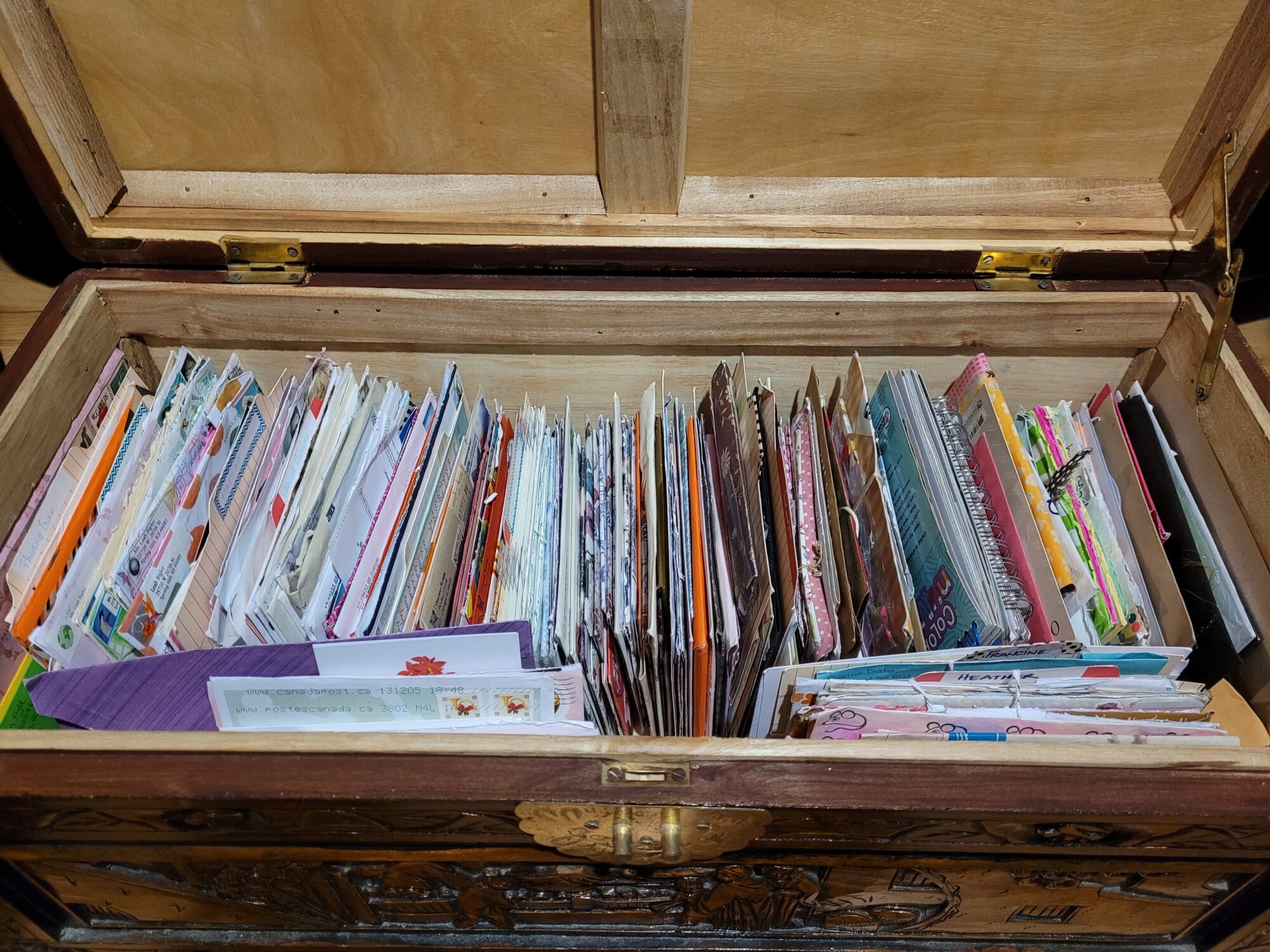
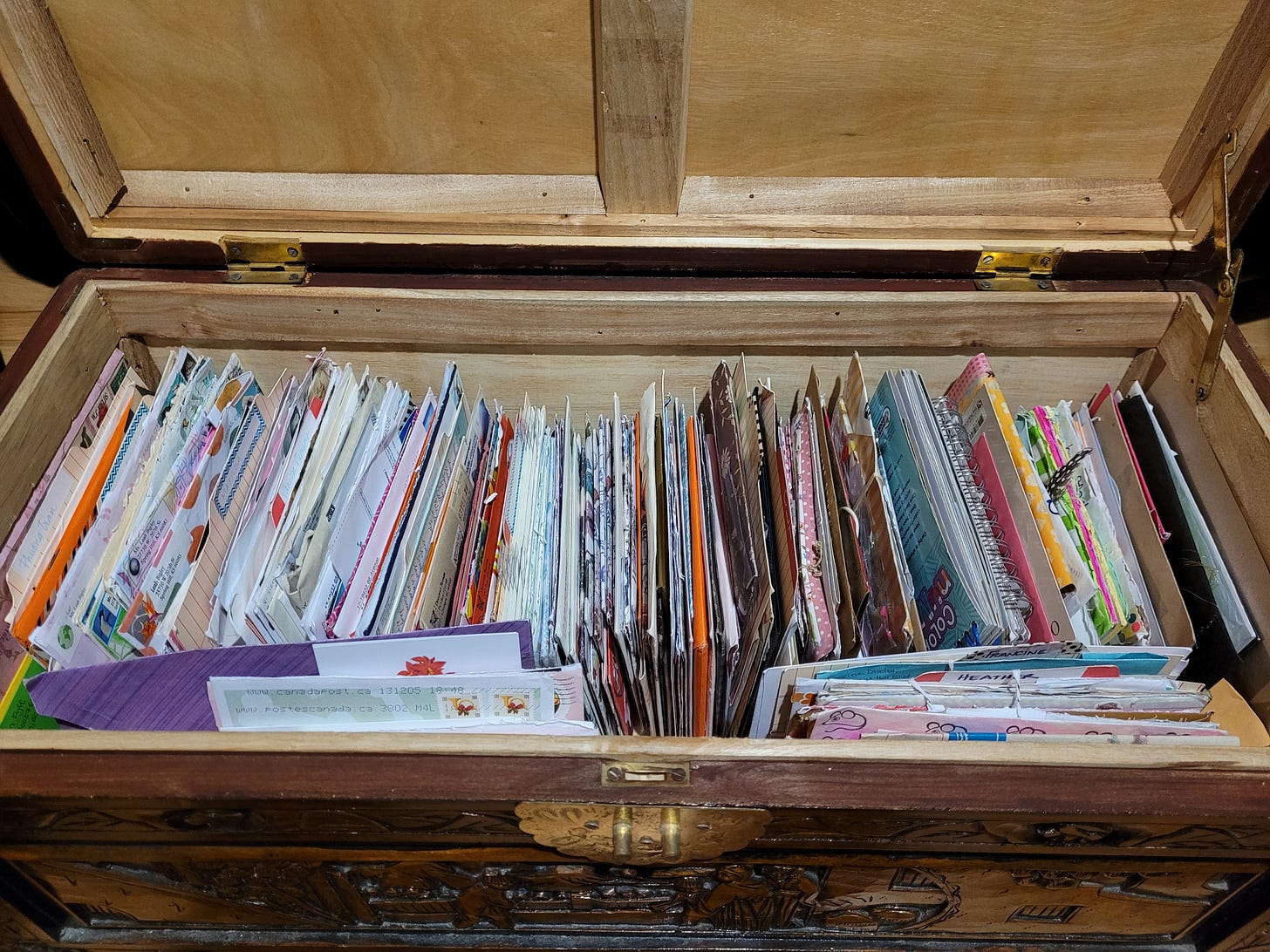
As a creator, both digital and analog creations and drafts exist across spaces physical and etheral. I am a paper lover with a cavernous archive that I add to daily: personal journals, work notes, scraps of paper, childhood origami-folded notes, letters from pen pals, and photographs. Then there are the obsolete formats: cassette and VHS tapes, digital recordings, archived websites, and even printouts of early emails.
As more and more of these mediums become obsolete, I wonder what will happen to these files and memories when my corporeal experience comes to a close (a poetic euphemism, if I do say so myself!) I am not famous, nor has anyone expressed any interest in my personal history, but as I continue to read published biographies and journals, I am struck by the availability of information thanks to paper trails (notebooks, diaries and letters) kept faithfully by descendants, friends and executors who painstakingly stored boxes and boxes of documents for years and years. This personal trove, though seemingly inconsequential, makes me wonder: Who decides what is worth preserving, and how will these fragmented traces of our lives be interpreted?
Just this morning my husband brought home a briefcase full of documents from his grandparents, a paper trail of their journey – official documents, immigration records, family letters – a tangible history. I rejoiced for him (what a find!) but felt a pang of loss for my own family, whose stories, disrupted by hardships (wars and fires, poverty and low literacy) have vanished, passing into that impenetrable realm of our ancestors.
And so, as I continue to scour the internet for any archives of my family, their experience, their lives, I am convinced of the need to find the right way to safeguard the analog and digital files that may one day be the archive that future generations will seek.
Journal Promps
Have you thought about your own archives? What do you keep, and how do you ensure it lasts?
In a world where so much is fleeting, how do we choose what endures?
Dive Deeper: Inspiration and Resources
- May Sarton’s (many) published journals
- My dear Mr. M: Letters to G. B. MacMillan from L. M. Montgomery